
Natural clothing is becoming an appealing choice for people who want comfortable outfits, breathable fabrics, and a more thoughtful approach to fashion. From cotton T-shirts and linen shirts to wool sweaters and hemp garments, natural fibers offer a variety of options for everyday wear. However, choosing the right fabric involves more than looking at a label. Understanding material quality, production methods, durability, and care can help you build a wardrobe that suits your lifestyle and budget.
Whether you want lightweight summer outfits or comfortable everyday essentials, this guide explains how to choose natural clothing and make smarter fashion decisions.
What Is Natural Clothing?
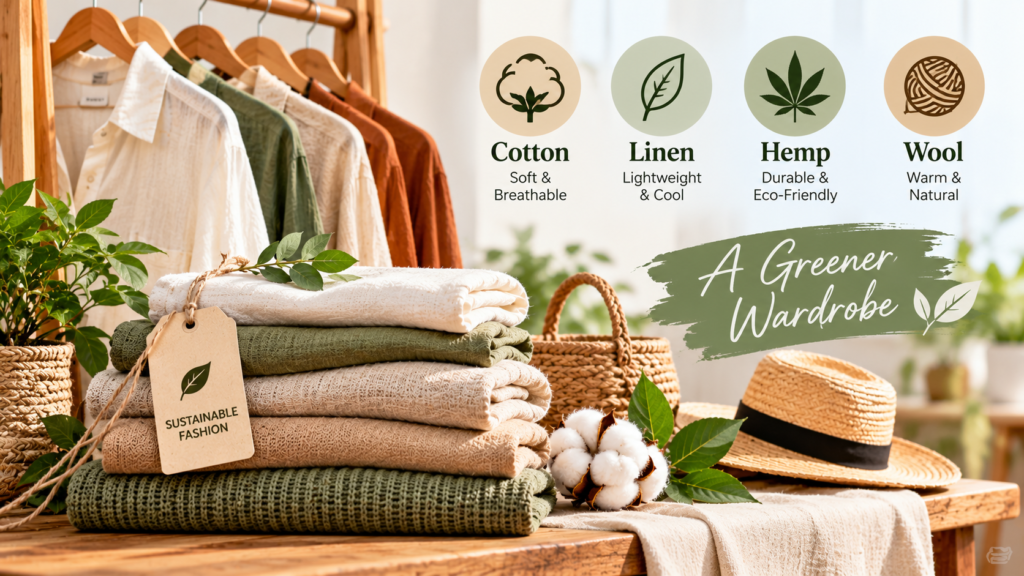
Natural clothing refers to garments made primarily from fibers obtained from plants or animals. Common examples include cotton, linen, hemp, wool, and silk. These materials differ in texture, breathability, durability, warmth, and environmental impact.
Plant-based fibers are often popular for warm-weather clothing because some varieties allow air to circulate comfortably. Animal-based fibers, such as wool, are commonly used for insulation and cooler weather.
It is important to remember that natural does not automatically mean organic, chemical-free, or environmentally friendly. Farming practices, dyeing, manufacturing, transportation, and garment lifespan all influence a product’s overall impact.
1. Choose Cotton for Everyday Comfort
Cotton is one of the most widely used natural fibers in clothing. It is available in T-shirts, shirts, trousers, dresses, underwear, and many other wardrobe essentials.
Cotton is generally soft, absorbent, and comfortable for daily use. Lightweight cotton garments can be particularly practical in warm climates, although thicker fabrics may feel less comfortable in extreme heat.
When shopping, check the fabric composition and construction. A well-made cotton garment with strong stitching may last longer than a poorly constructed alternative.
Best for: Everyday outfits, casual wear, and comfortable basics.
2. Try Linen for Warm Weather
Linen is produced from the flax plant and is valued for its distinctive texture and airy feel. It is a popular option for summer shirts, trousers, dresses, and relaxed formal outfits.
Linen often allows good airflow and can feel comfortable in hot weather. Its natural wrinkles are part of its characteristic appearance, making it suitable for both casual and sophisticated styles.
To maintain linen clothing, follow the care label, avoid unnecessary high heat, and store garments in a clean, dry place.
Best for: Summer fashion, travel outfits, and lightweight clothing.
3. Consider Hemp Fabric
Hemp fabric comes from the hemp plant and can be used to make shirts, dresses, trousers, jackets, and other garments.
Depending on its processing and construction, hemp fabric can be durable and develop a softer feel with use. Hemp cultivation may require fewer agricultural inputs than some alternatives under certain growing conditions, but its environmental benefits depend on local farming and manufacturing practices.
If you prefer long-lasting basics, look for hemp garments with quality stitching and a comfortable fabric blend.
Best for: Casual clothing, durable basics, and people exploring alternative natural fibers.
4. Understand the Benefits of Wool
Wool is an animal-derived natural fiber commonly used in sweaters, coats, scarves, socks, and other cold-weather garments.
One of its useful characteristics is its ability to provide insulation while managing moisture. Different types of wool have different textures, so softer varieties may be more suitable for garments worn directly against the skin.
Wool requires appropriate care. Some garments need hand washing or professional cleaning, while others can be machine washed according to their labels.
Best for: Winter clothing, warm layers, and cool-weather accessories.

5. Look for Organic Cotton When Appropriate
Organic cotton is grown according to organic agricultural standards, which restrict the use of certain synthetic pesticides and fertilizers. Certification requirements vary by standard and region.
Choosing certified organic cotton can help consumers identify products made under specific production requirements. However, organic cotton is not automatically more durable, and its complete environmental footprint also depends on water use, processing, dyeing, and manufacturing.
Check whether the product carries a credible certification and whether the label applies to the fiber itself or the finished garment.
Best for: Shoppers who want greater transparency about how cotton is produced.
Learn more about textile certification and organic production requirements through the Global Organic Textile Standard (GOTS): https://global-standard.org/
6. Check Fabric Labels Before Buying
Reading the label is one of the easiest ways to make a better clothing purchase.
Here is what to look for:
- Fiber composition: Check whether the garment is made from cotton, linen, hemp, wool, silk, or a blend.
- Care instructions: Confirm whether the item requires special washing or drying.
- Certification: Look for relevant third-party certifications when environmental or organic claims matter to you.
- Country of origin: Review the available information about where the garment was made.
- Construction quality: Examine seams, buttons, zippers, and fabric thickness.
Some garments combine natural fibers with synthetic materials. Blends can improve stretch, durability, or wrinkle resistance, but they may also affect recycling options and microfiber shedding. Choose according to your actual needs rather than relying on a single label claim.
7. Build a Versatile Natural Clothing Wardrobe
You do not need to replace every item in your wardrobe to explore natural fabrics. Start with versatile pieces that match your existing clothes.
For example, you could choose a cotton T-shirt, linen shirt, comfortable cotton trousers, and a wool sweater for colder weather. Neutral colors such as white, navy, beige, gray, and black can make these pieces easier to combine.
Before purchasing anything new, review what you already own. Buying fewer, more useful garments can be a practical way to reduce unnecessary spending and clothing waste.
Focus on fit, comfort, and how often you will wear each item instead of buying something simply because it is described as sustainable.
Explore more seasonal style inspiration in our guide to [7 Fall 2026 Fashion Trends Worth Trying].
8. Care for Natural Fabrics Properly
Good clothing care can help garments remain useful for longer. Different natural fibers require different methods, so always follow the manufacturer’s instructions.
Here are some practical tips:
- Wash clothes only when necessary and according to their care labels.
- Use suitable washing temperatures to reduce unnecessary energy consumption.
- Air-dry garments when practical and appropriate for the fabric.
- Store wool and other animal fibers clean and dry to help protect them from pests.
- Repair loose buttons, small tears, and damaged seams instead of discarding the entire garment.
- Avoid excessive ironing or harsh cleaning methods that could damage fibers.
Proper care can improve the lifespan of many garments, although results depend on fabric quality, construction, and how frequently the clothes are worn.
9. Compare Quality and Price Before Purchasing
Natural clothing is available at different price points. A higher price does not always mean better quality, and an inexpensive garment is not necessarily a poor choice.
Compare the fabric composition, stitching, fit, expected lifespan, and care requirements before making a decision.
For example, a well-made cotton shirt that you wear regularly may offer better value than an expensive item that rarely leaves your closet. Similarly, a linen garment may be worth considering if you frequently need comfortable summer clothing.
You can also explore secondhand stores, clothing exchanges, and reputable local brands to find useful pieces at more affordable prices.
The goal is to purchase clothing that meets your needs and remains useful for as long as possible.
Is Natural Clothing Better for the Environment?
Natural clothing can be part of a more thoughtful wardrobe, but its environmental impact depends on several factors.
Cotton farming can require substantial water and agricultural inputs in some regions. Linen and hemp have different growing requirements, while wool and silk involve animal production. Processing, dyes, finishing treatments, transportation, and disposal also contribute to a garment’s footprint.
Synthetic fabrics have their own environmental concerns, including fossil-fuel dependence for many conventional fibers and microfiber shedding during washing.
Rather than assuming that one material is always the best, compare credible product information and consider the entire life cycle. Buying less, wearing clothes longer, repairing them, and choosing durable garments can all support a more responsible approach to fashion.
For more information about sustainable fibers and material choices, explore the resources provided by Textile Exchange: https://textileexchange.org/materials/
Frequently Asked Questions
What is the best fabric for natural clothing?
There is no single best fabric for every situation. Cotton is versatile for everyday wear, linen is popular in warm weather, hemp can provide durable options, and wool is useful for insulation in colder conditions.
Is natural clothing suitable for sensitive skin?
Some people find particular natural fabrics comfortable, but skin sensitivity varies. Dyes, finishes, detergents, and fabric texture can also affect comfort. Check garment details and choose materials that you personally tolerate well.
Is organic cotton the same as regular cotton?
No. Organic cotton is produced under specific organic farming standards, while conventional cotton may be grown using different agricultural practices. Both can be used to make comfortable clothing, and their overall impacts depend on production and processing.
Does natural clothing cost more?
It can, particularly when garments use specialty fibers or certified materials. However, affordable options are available. Comparing quality, care requirements, and expected use can help you make a practical purchase.
How can I identify genuine natural fabrics?
Read the fiber composition label and look for credible certifications when relevant. Be cautious about broad claims such as “eco-friendly” or “all natural” when the seller provides no clear supporting information.
Final Thoughts
Natural clothing offers a wide range of fabrics for people who value comfort, versatility, and more informed fashion choices. Cotton, linen, hemp, and wool each have different strengths, so the right option depends on the climate, intended use, personal preferences, and budget.
Start with a few versatile pieces, read garment labels carefully, and prioritize quality and proper care. By making thoughtful purchasing decisions and using your clothes for longer, you can build a practical wardrobe without following every new fashion trend.