
Financial security has become an important concern for many households in 2026. People may be working, earning money, and trying to save, yet still feel uncertain about their financial future. Rising everyday expenses, housing costs, utility bills, transportation, and other commitments can make it harder to manage a monthly budget.
Achieving financial security in 2026 requires careful budgeting, realistic savings goals, and a clear understanding of household expenses. By making informed financial decisions, individuals and families can prepare for unexpected costs and work toward a more stable future.
This pressure is not limited to one country. Families in Pakistan, the United Kingdom, the United States, and other parts of the world face different financial challenges, but many share the same concern: how can they cover today’s expenses while preparing for tomorrow?
Understanding where money goes and making practical financial decisions can help people feel more in control.
1. Everyday Expenses Can Put Pressure on Budgets
Small increases in regular expenses can make a noticeable difference over time. Groceries, electricity, fuel, transport, internet, and household supplies are essential purchases that many families cannot easily avoid.
When several costs rise together, a budget that once worked may no longer be enough. People may start using their savings to cover ordinary bills, leaving less money for emergencies or future goals.
Reviewing spending regularly can help identify which expenses have changed and where adjustments may be possible.
2. Housing and Utility Bills Leave Less Room to Save
Housing is one of the largest expenses for many households. Rent, mortgage payments, maintenance, electricity, gas, and water bills can take up a substantial part of monthly income.
When housing and utility costs consume more of a budget, families may have less flexibility for education, healthcare, travel, and savings.
Before making a major housing decision, it can help to calculate the full monthly cost rather than looking only at rent or a mortgage payment. Utility bills, commuting expenses, maintenance, and other charges should also be considered.
3. Small Purchases and Subscriptions Add Up
Many people focus on large expenses but overlook smaller recurring payments. Streaming services, mobile applications, online memberships, delivery fees, and frequent convenience purchases can gradually increase monthly spending.
A single subscription may seem inexpensive, but several unused or rarely used services can reduce the money available for savings.
Check bank statements and payment histories regularly. Cancel services that are no longer useful and consider whether recurring purchases genuinely provide value.
4. Irregular Income Makes Financial Planning Harder
Not everyone receives the same amount of income every month. Freelancers, small business owners, commission-based workers, and seasonal employees may experience significant changes in their earnings.
When income is unpredictable, fixed expenses can become difficult to manage. A plan based on the best earning month may create problems during a slower period.
One useful approach is to build a budget around a conservative estimate of expected income. During stronger months, setting aside money for future bills can provide a cushion when earnings decline.
For freelancers and small business owners, financial security in 2026 also depends on planning for changes in monthly income. Setting aside money during stronger earning periods can help cover essential expenses during slower months.
5. Unexpected Emergencies Can Wipe Out Savings
Car repairs, medical expenses, urgent home maintenance, or a temporary loss of income can disrupt even a carefully prepared budget.
Without emergency savings, people may need to borrow money or rely on credit to cover these costs. Repaying that borrowing can then make future budgets more difficult.
Start with a realistic emergency savings target. Even small, regular contributions can build a reserve over time. The amount needed will depend on household expenses, income stability, and personal circumstances.
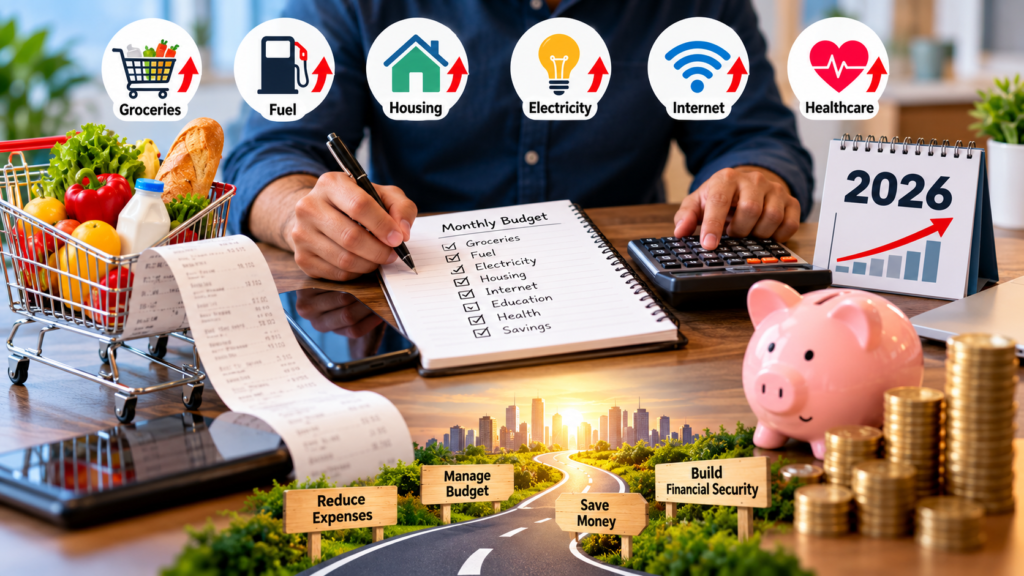
6. Practical Ways to Improve Financial Security in 2026
Improving financial security does not always require a higher income immediately. A clear plan can help people make better use of the money they already earn.
Consider these practical steps:
- Track your spending: Record regular bills and everyday purchases to understand where your money goes.
- Separate needs from wants: Prioritize essential expenses before optional purchases.
- Set a savings goal: Choose an amount you can realistically save each week or month.
- Review recurring payments: Cancel subscriptions and services you no longer need.
- Prepare for irregular bills: Plan ahead for annual fees, school costs, repairs, and other predictable expenses.
- Be careful with debt: Understand interest rates, fees, and repayment terms before borrowing.
- Look for ways to increase income: Where practical, consider additional work, improving job skills, or developing a small business.
- Review your budget monthly: Adjust your plan when prices, income, or family needs change.
The goal is not to eliminate every enjoyable purchase. It is to create a balance between today’s needs and tomorrow’s financial responsibilities.
Building financial security in 2026 starts with tracking monthly expenses, prioritizing essential needs, and saving regularly, even when the amount is small.
For more guidance on managing money, budgeting, and saving for the future, readers can explore the Consumer Financial Protection Bureau. Its educational resources explain practical financial concepts that can help people make informed decisions.
7. Why Financial Security Is About More Than Income
A higher income can help, but it does not automatically guarantee financial stability. Housing choices, debt commitments, spending habits, dependants, and unexpected events all influence a person’s financial position.
Someone with a modest income and manageable expenses may have more flexibility than someone earning more but carrying large debts and high fixed costs.
Financial security also looks different for every household. For one family, the priority may be paying down expensive debt. For another, it may be building emergency savings, paying education costs, or preparing for retirement.
Comparing your financial situation with other people’s lifestyles can lead to unnecessary pressure. A better approach is to set goals that reflect your own income, responsibilities, and future plans.
Explore more practical ideas and useful insights in our Business section on NuvWire, where readers can discover information about business, money, and everyday financial decisions.
Conclusion
In 2026, feeling financially secure can be challenging when everyday expenses compete with savings and long-term goals. However, understanding spending habits, planning for essential bills, reducing unnecessary costs, and preparing for emergencies can help households make more confident decisions.
Progress does not need to happen all at once. Start by reviewing one month’s expenses, identifying one change you can make, and setting a realistic savings target. Small, consistent steps can help build stronger financial habits over time.
Ultimately, financial security in 2026 is about developing sustainable money habits that help you manage today’s expenses while preparing for future needs.
A practical financial plan can make financial security in 2026 a more achievable goal by helping households control spending, prepare for emergencies, and build savings gradually.
Disclaimer: This article provides general educational information and is not personalized financial advice. Financial decisions should be based on your own circumstances and, where appropriate, guidance from a qualified professional.